The 14 regulated allergens: what hospitality businesses need to keep current
Allergen information is only useful when it matches the food actually being supplied. Hospitality teams need accurate written information and a reliable place to check it before answering a customer.
Keep the written source current
The answer must match the food
A menu may look unchanged while a recipe, ingredient or supplier product has altered. The change needs to reach the written information used by the team.
The regulated categories
The 14 allergens
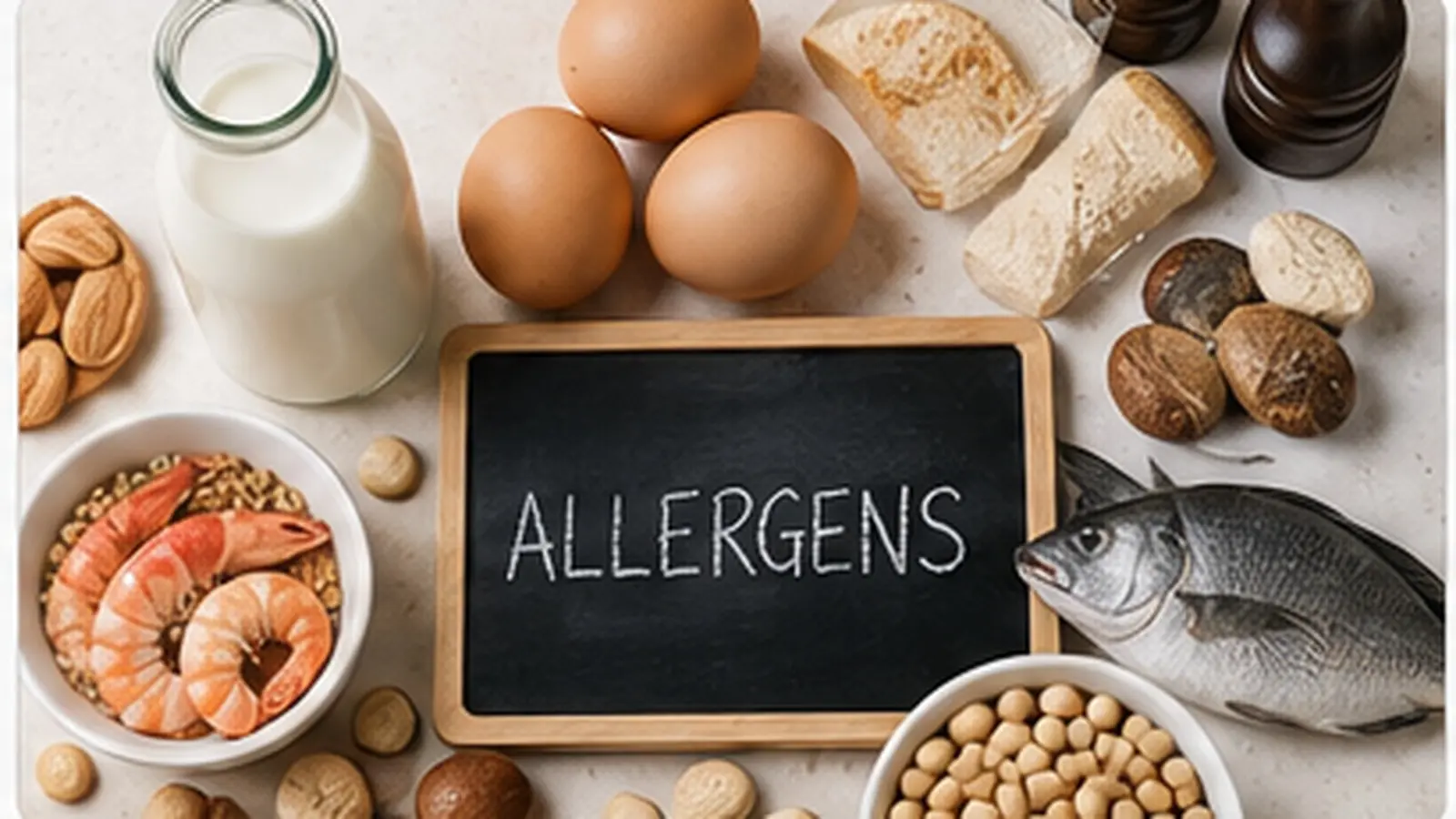
Food businesses need to identify these allergens when they are used as ingredients. The names remain website text so they are clear, accurate and accessible.
Celery
Cereals containing gluten
Crustaceans
Eggs
Fish
Lupin
Milk
Molluscs
Mustard
Nuts
Peanuts
Sesame
Soya
Sulphur dioxide and sulphites
When information needs reviewing
Five common change points
Allergen information must reflect what is actually being supplied. When something changes, the information needs checking and updating.

What good allergen control looks like
Keep approved allergen information for every relevant item.
Keep recipes, labels and product specifications aligned.
Make sure staff know where to find the approved information.
Digital tools can help organise and evidence this work, but they do not remove the food business operator’s responsibility for accurate information, trained staff and effective controls.